
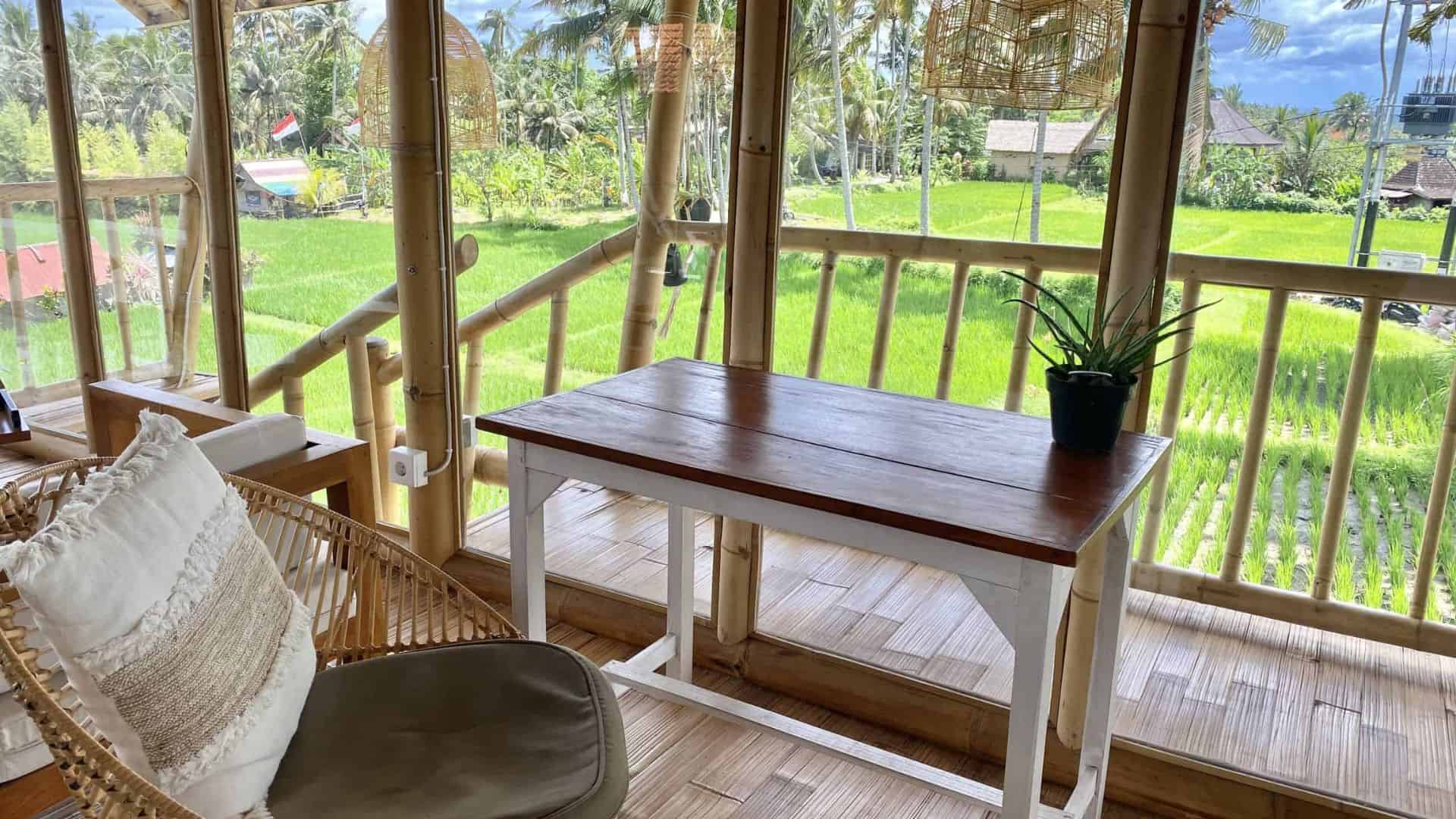
Work and travel—a lifestyle that’s still relatively new and constantly evolving. Have you ever found yourself daydreaming about the possibility of working from anywhere in the world? Do you scroll through images of fresh coconuts and breathtaking sea views online, with a laptop as your companion? Or perhaps you’ve pondered the idea of running an international business while globe-trotting?
Today, thanks to the rise of the digital nomad lifestyle, these dreams are becoming increasingly attainable. Having roamed internationally for years, I’ve frequently encountered the term ‘Digital Nomad.’ But what does it really mean, and how has it evolved? This article delves into these intriguing questions.
What exactly is a Digital Nomad?
I’d define a digital nomad as someone who lives and works independently of location, hopping from one place to another, often crossing borders, to sustain their online work. The term ‘Digital Nomad’ is used widely and is as broad as terms like ‘tourist’ or ‘backpacker.’ In essence, ‘Digital Nomad’ encompasses various activities, including remote work, studying, self-improvement, all coupled with extended periods of travel.
What do Digital Nomads do during the day?
During my travels, I’ve observed digital nomads engaging in a variety of activities, including:
- Exploring new places and taking time for personal growth, often while pursuing online endeavors.
- Freelancers like copywriters and online English teachers.
- Life or business coaches, online marketers, communication experts, tech professionals, and more.
- Spiritual seekers and artists, such as musicians and painters, often immersed in practices like breathwork, meditation, tantra, etc.
- Remote employees who have the privilege of working from anywhere.
- Online students.
A digital nomad typically stays in one place for a month or longer. Unlike tourists or backpackers, the digital nomad experience involves immersing oneself in the local lifestyle while maintaining online work. It can be a full-time lifestyle for some, lasting from a year or a few months to just a month. Some choose to keep their homes, while others embrace a more nomadic existence, possibly settling in a country they find most comfortable.
How has the Digital Nomad lifestyle evolved?
The evolution of digital nomadism is remarkable. Recently, I’ve noticed a surge in Digital Nomad Visas in developed countries. There are even Digital Nomad villages, such as Ponta Del Sol in Madeira, Portugal, and Canggu in Bali, Indonesia, that have entirely transformed into hubs for digital nomads.
What challenges do Digital Nomads face?
While being a digital nomad can be a dream come true, it’s not without its challenges:
- Dealing with practicalities like establishing home addresses, registering companies, setting up bank accounts, and securing health insurance can be more complex.
- Finding suitable accommodation with reliable internet connections and workspaces is essential.
- Adjusting to different cultures and environments.
- Maintaining self-discipline amid numerous distractions and opportunities.
- Coping with loneliness and constantly making new friends.
A full-time digital nomadic lifestyle may not be suitable for everyone. Nevertheless, I highly recommend experiencing it part-time for a month or a few months each year. This way, you can maintain stability in your home country while savoring the diverse lifestyles and wonders the world offers, and even support countries that benefit from long-term tourism.
Curious? If you have any questions, feel free to ask in the comments.
Thank you for reading.
Warmly,
Anique
